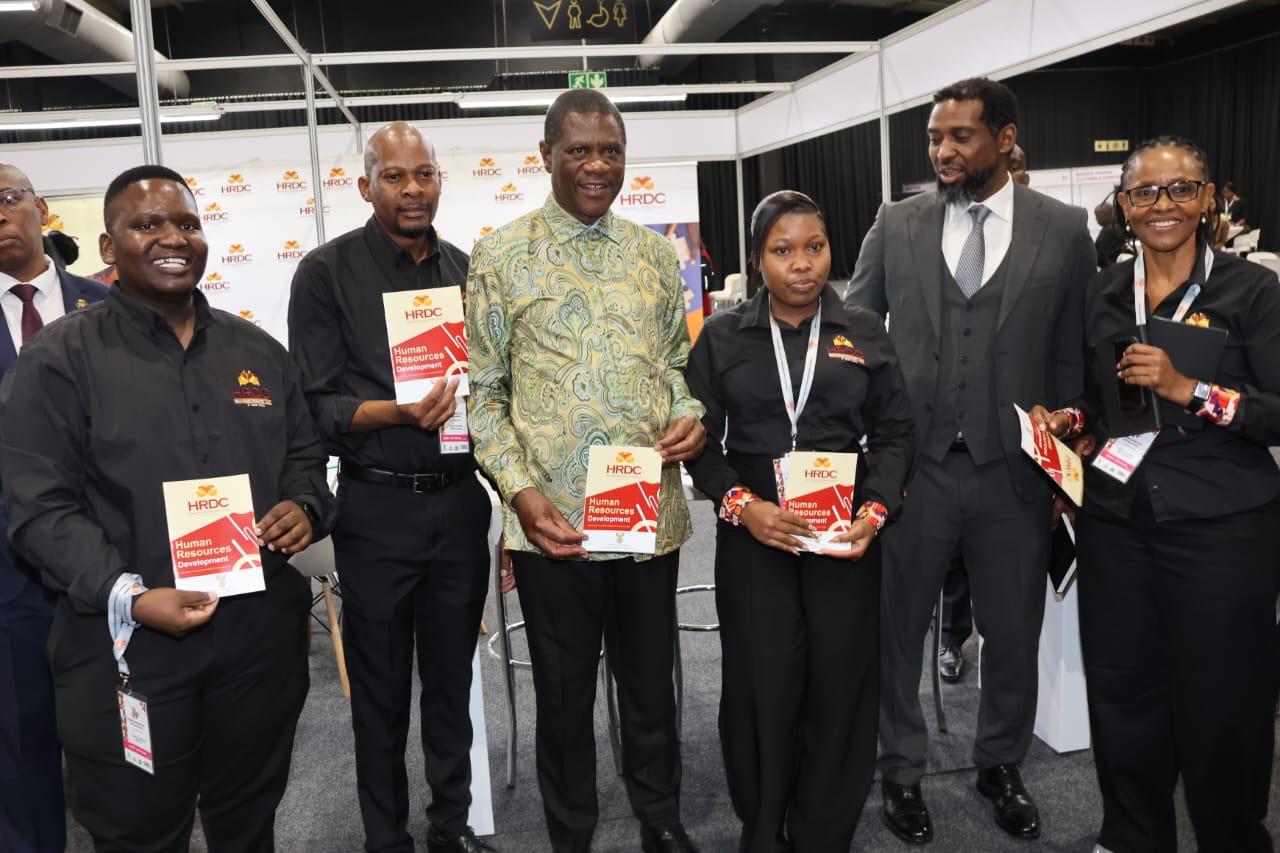
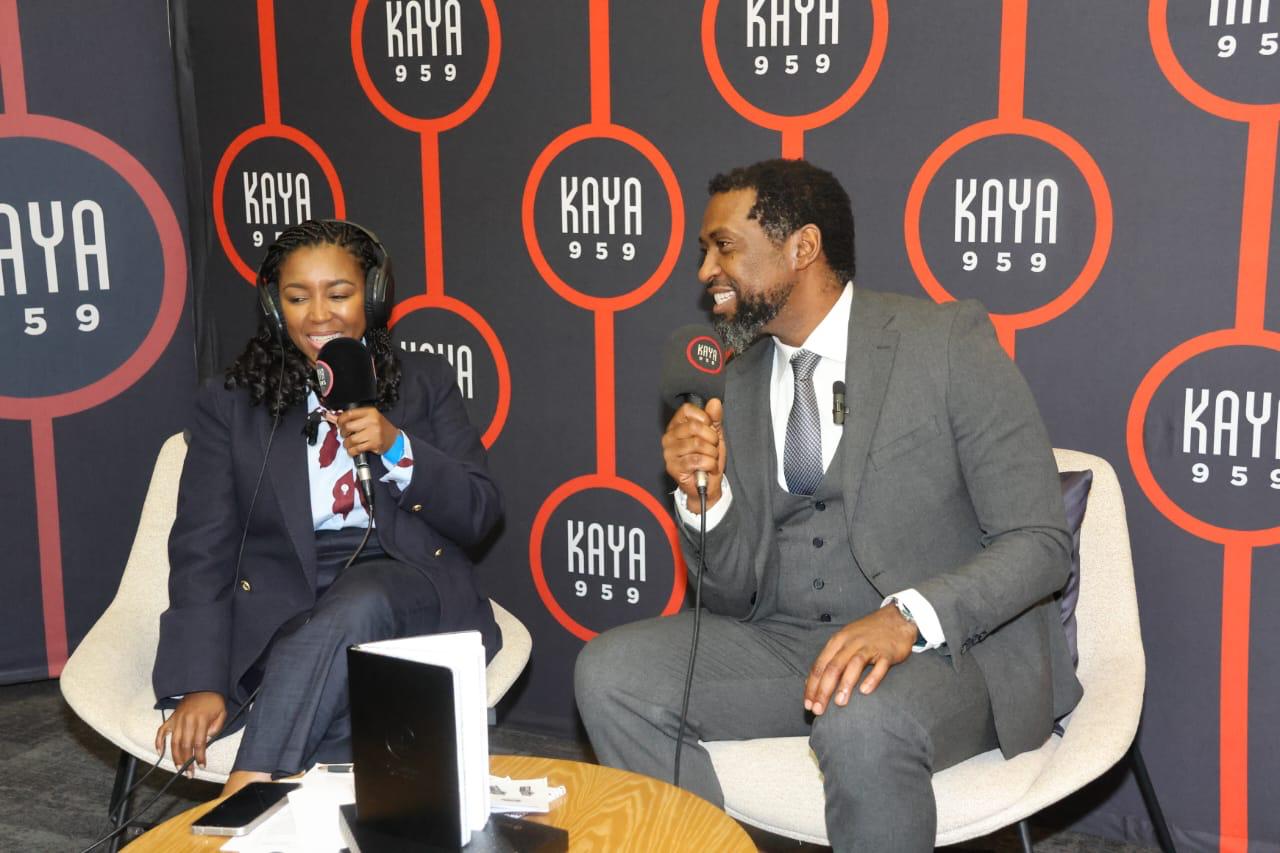
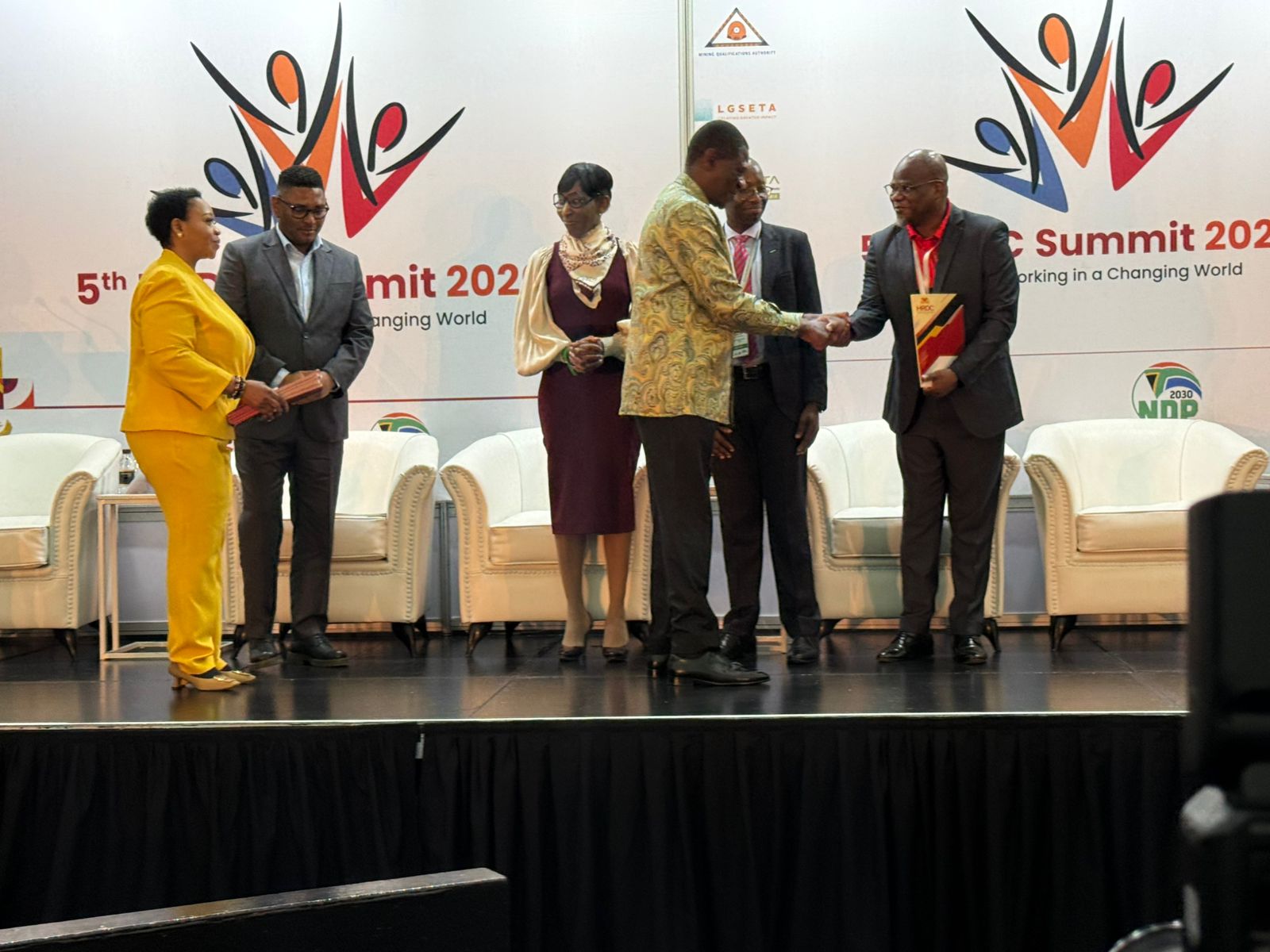
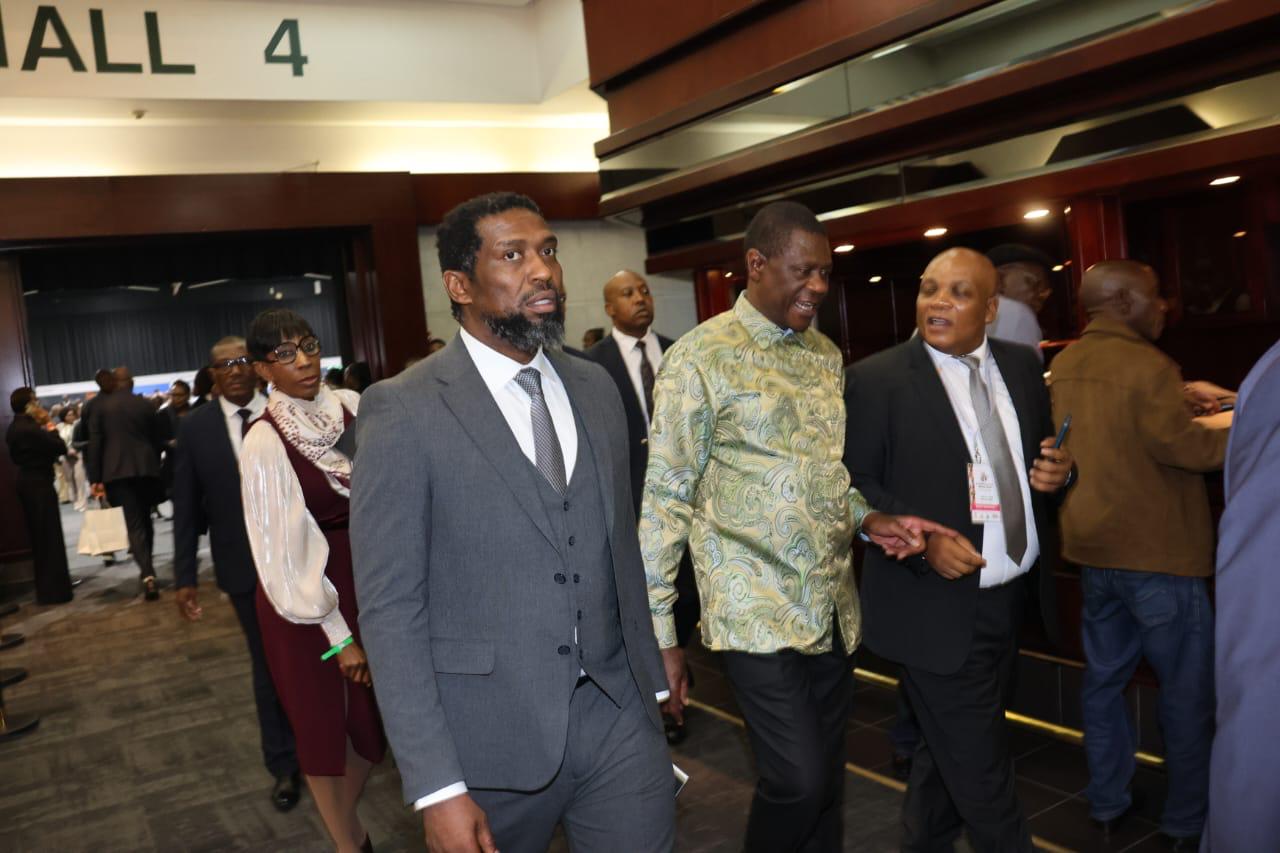
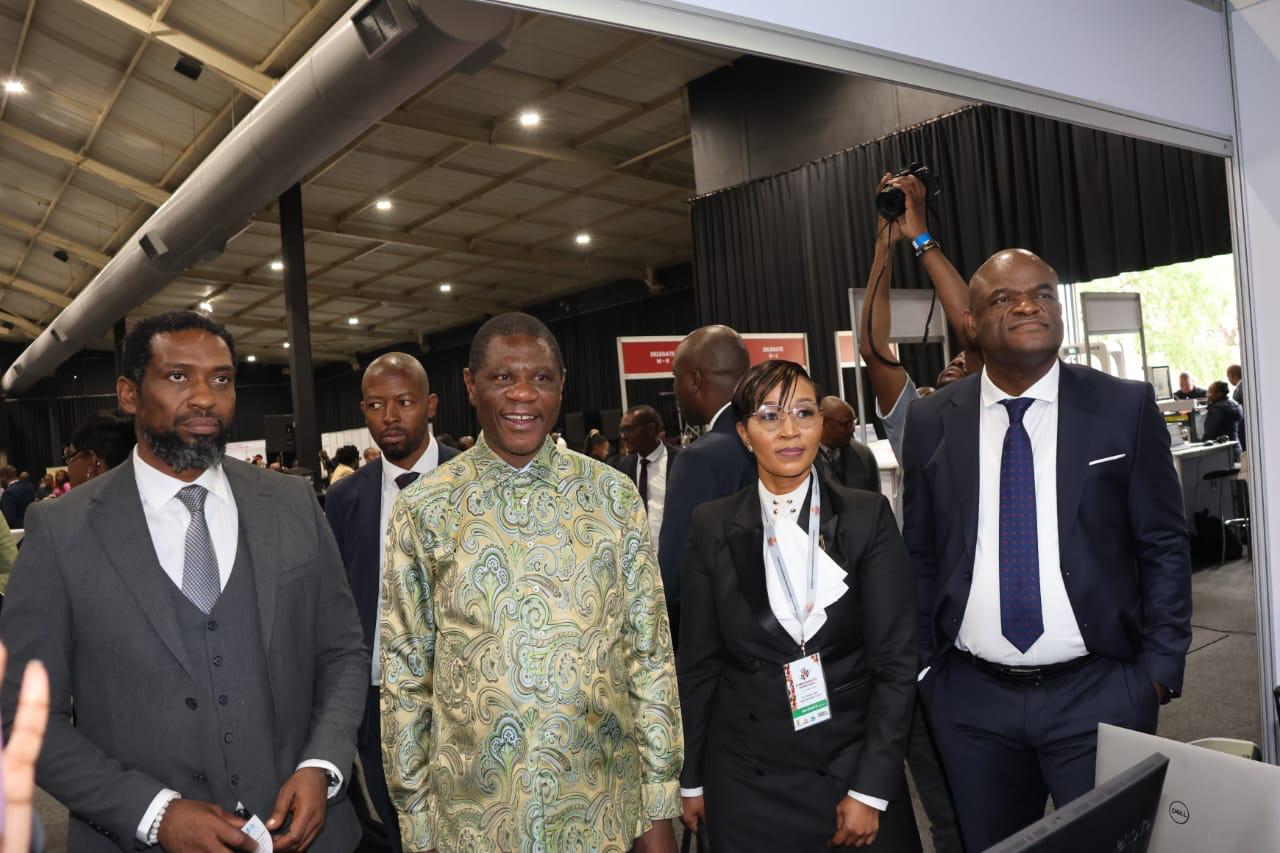
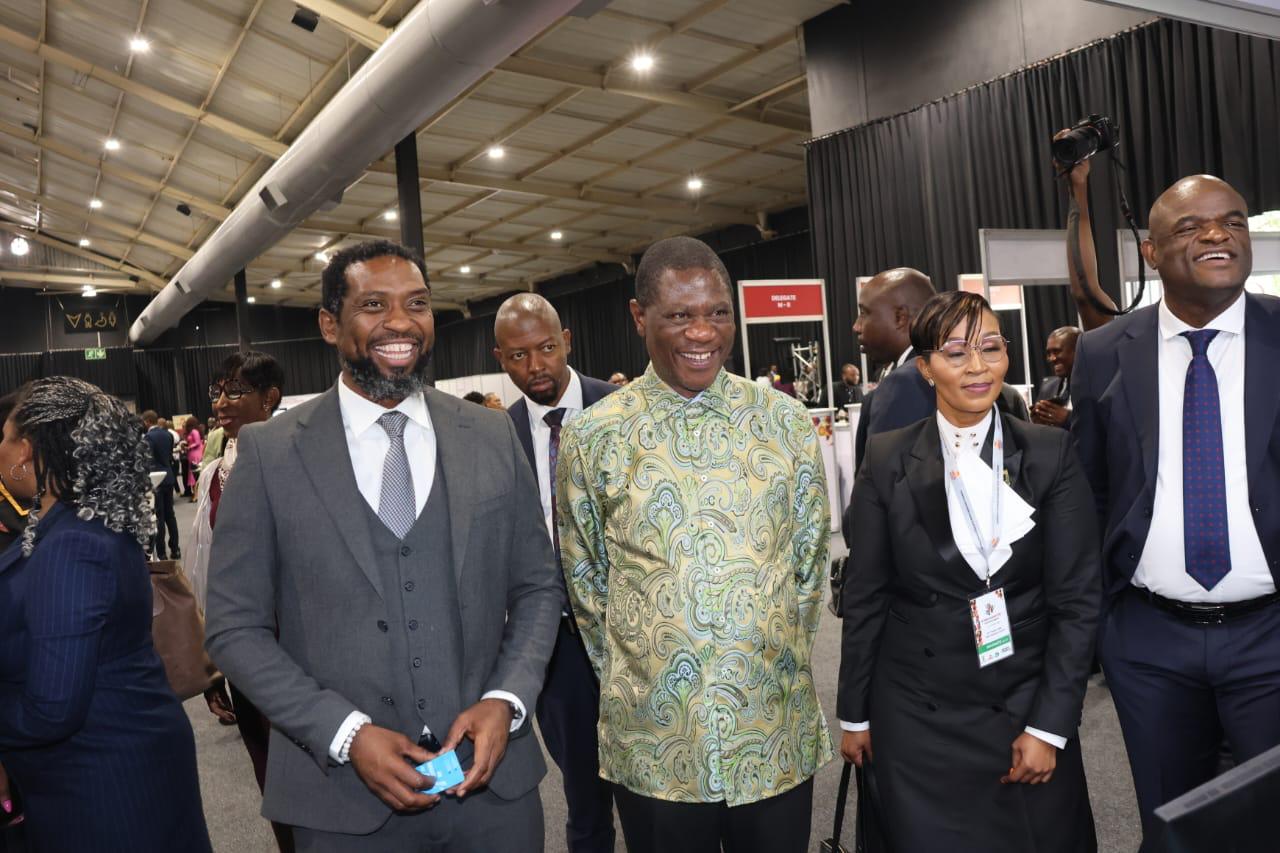
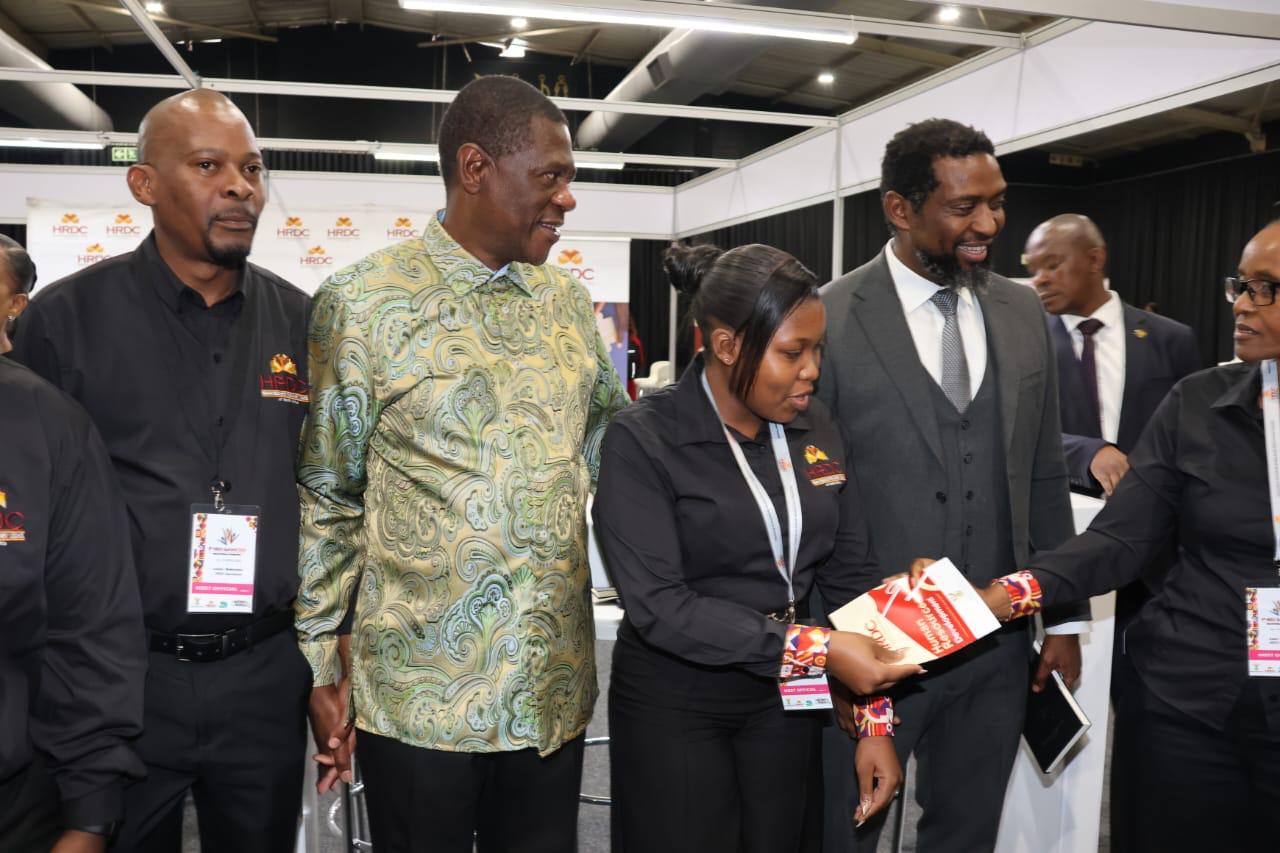
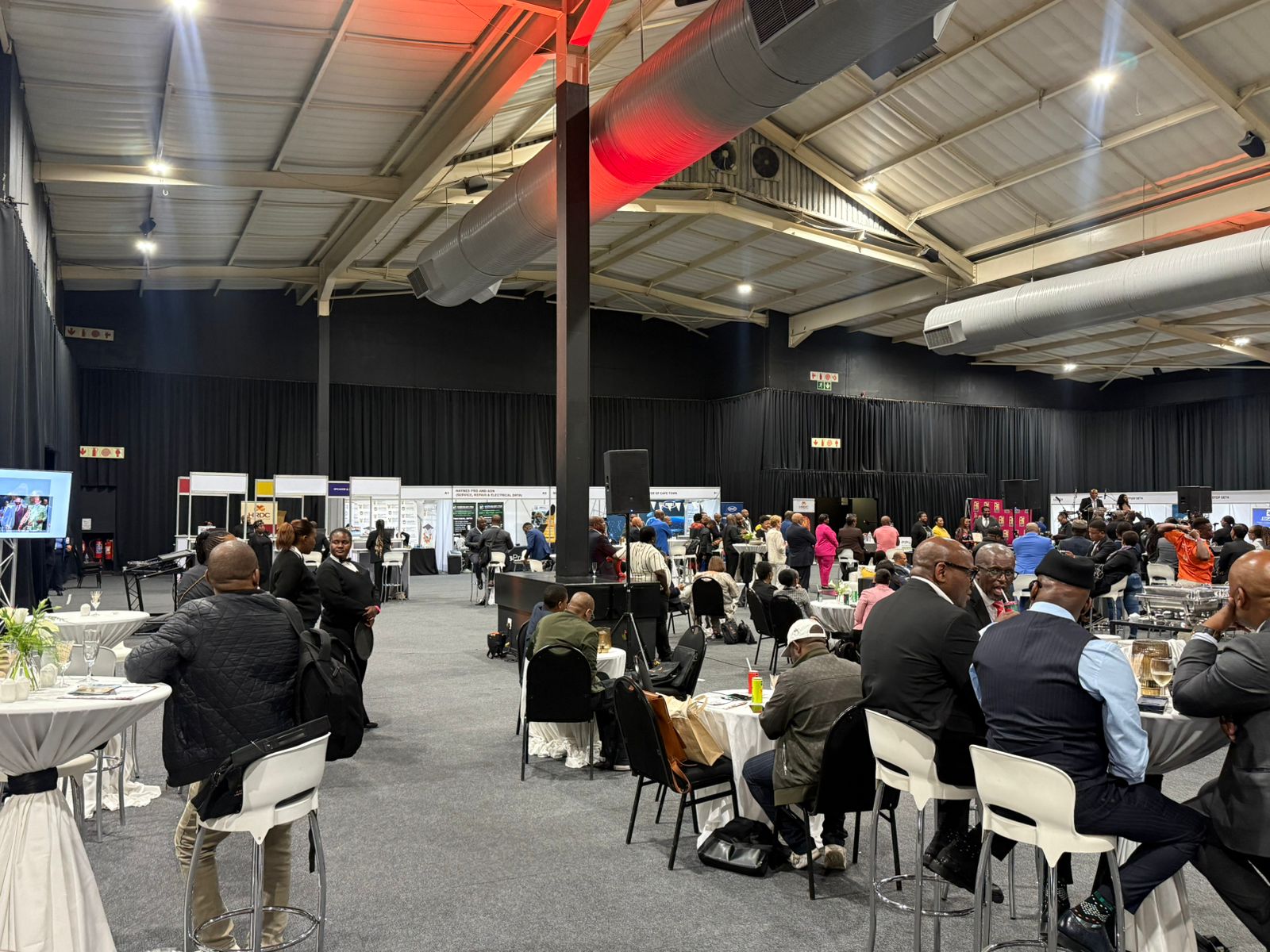
South Africa’s youth unemployment crisis took centre stage at the 5th Human Resources Development Council (HRDC) Summit held at Gallagher Estate on 16 April 2026, where Higher Education and Training Minister Buti Manamela and Deputy President Paul Mashatile called for a decisive shift from policy formulation to measurable accountability.
Minister Manamela opened the Summit by grounding the discussion in a stark reality: in many provinces, around 60 percent of young people between the ages of 15 and 34 remain unemployed. That figure, he indicated, is not simply a statistic but a reflection of lost opportunity, delayed transitions into adulthood and deepening social strain. After more than a decade of skills summits, strategies and compacts, he acknowledged that progress has been uneven and insufficient to substantially alter that trajectory.
The Minister positioned the Summit within the broader political directive issued earlier this year by President Cyril Ramaphosa, who declared a “Skills Revolution” in his State of the Nation Address. According to Minister Manamela, this framing signals that human capital development is no longer a peripheral reform area but the central lever for economic growth, job creation and state capability. Without a workforce equipped for a changing economy, he said, South Africa cannot expand or transform at the scale required.
However, the Minister cautioned that a revolution in name alone would change little. The decisive question, he said, is whether the skills agenda remains a government-driven programme or becomes a genuinely shared national compact. The HRDC, chaired by Deputy President Mashatile and comprising government, business, labour and civil society, was designed to enable that collective ownership. If each constituency assumes defined responsibilities and is publicly accountable for delivering them, the prospects for systemic change increase. If not, implementation risks will remain fragmented and slow.
The urgency of reform is heightened by rapid shifts in the global and domestic labour market. Minister Manamela pointed to the accelerating impact of artificial intelligence, automation and digital technologies, which are reshaping skills demand across sectors. At the same time, South Africa’s Just Energy Transition is generating new requirements for artisans, technicians and engineers in renewable energy and related industries. The expansion of the green, digital, and platform economies is altering not only what work looks like but also how workers access opportunities and protections.
In response, the government has introduced a Reconceptualised Human Resource Development Strategy and a Master Skills Plan, both of which were formally presented at the Summit. The Minister described these frameworks as the most comprehensive articulation to date of how education and training should align with economic transformation. Yet he was explicit that policy architecture alone will not deliver results. Strategies can outline direction, but institutions and social partners must execute.
Central to his address was the argument that South Africa’s skills challenge is less a matter of policy gaps or funding shortages and more a question of governance. Sector Education and Training Authorities (SETAs), which manage substantial levy funds intended to drive workplace-based training, possess significant transformative potential. In some sectors, that potential is being realised. In others, governance weaknesses have undermined performance, leading to certain SETAs being placed under administration. For the Minister, this highlighted the need for consistent oversight and visible consequences where institutions fall short.
He extended this governance concern to the HRDC itself. A council that meets periodically but does not rigorously track progress between summits risks functioning as a forum for consultation rather than a mechanism for accountability. As South Africa looks to international examples, including systems in countries where sector councils operate with clearly defined targets, independent labour market intelligence and public performance reporting, the common lesson is that shared commitments must be measurable and transparent.
A key issue raised during the Summit was how signatories to the forthcoming declaration would report on their commitments. The Minister indicated that a compact in which the government alone carries the reporting burden cannot constitute shared ownership. Instead, he proposed a model of mutual reporting, supported by independent data and coordinated through the HRDC under the Deputy President’s leadership. Without such an accountability framework, he warned, new declarations risk following the same path as earlier agreements whose outcomes proved difficult to verify.
The Minister also directed specific expectations toward each constituency. The government must address weaknesses within public institutions, including underperforming TVET colleges and regulatory frameworks that lag behind industry needs. Business, as both contributor to the Skills Development Levy and provider of workplaces, holds decisive influence over whether training pathways translate into employment. Organised labour, he said, has a stake in ensuring workers are protected through retraining and upskilling as industries evolve. Civil society’s role is to ensure that rural and marginalised communities are not excluded from opportunities arising from the new strategy.

Deputy President Paul Mashatile, in his capacity as Chairperson of the HRDC, received the Reconceptualised Strategy and Master Skills Plan on behalf of the Council and its constituencies. In his address, he reinforced the political importance of the skills agenda, emphasising that economic recovery and inclusive growth depend on greater alignment between education outputs and labour-market demand.
The Deputy President emphasised the need for coordinated implementation across departments and sectors, noting that skills development cannot succeed in isolation from broader economic planning. He highlighted the importance of expanding workplace-based learning, strengthening partnerships with industry and ensuring that provinces and rural communities benefit from reforms.
As chair of the Council, he signalled that the HRDC must function not only as a platform for dialogue but as a structure for sustained oversight.
Together, the remarks by the Minister and the Deputy President framed the Summit as an important point. The policy framework is in place, and political backing has been clearly articulated. The remaining challenge lies in constructing and enforcing an accountability architecture that translates commitments into measurable change.
Attention now turns to the second day of the Summit, which will focus on formal constituency commitments to implementing the Reconceptualised Human Resource Development Strategy and Master Skills Plan. Representatives from government departments, SETAs, private training providers, organised labour, business formations and civil society are scheduled to outline their respective undertakings.
International partners, including the Human Resource Development Councils of Botswana and Saudi Arabia, will deliver messages of support. The programme will also feature a session on strengthening South Africa’s TVET system, drawing insights from Switzerland, followed by the presentation and adoption of the 5th HRDC Summit Report.
Proceedings will conclude with the signing of the Summit Declaration and closing remarks by Minister Manamela, formally marking the transition from strategic planning to implementation.