GA-RANKUWA — Fifteen people recorded elevated or high blood-pressure readings during a hypertension awareness programme conducted by Sefako Makgatho Health Sciences University (SMU) at the Itireleng Residential Care Facility for the Disabled.
The programme, which took place on 22 May 2026, involved 75 participants, with 60 people undergoing blood-pressure screening.
SMU said those who recorded elevated or high readings were advised to seek further assessment at nearby healthcare facilities.
The university stressed that the screening results did not mean that the participants had been diagnosed with hypertension, but that further assessment by a healthcare professional was necessary.
The programme formed part of SMU’s commitment to preventative healthcare and community-engaged health sciences education.
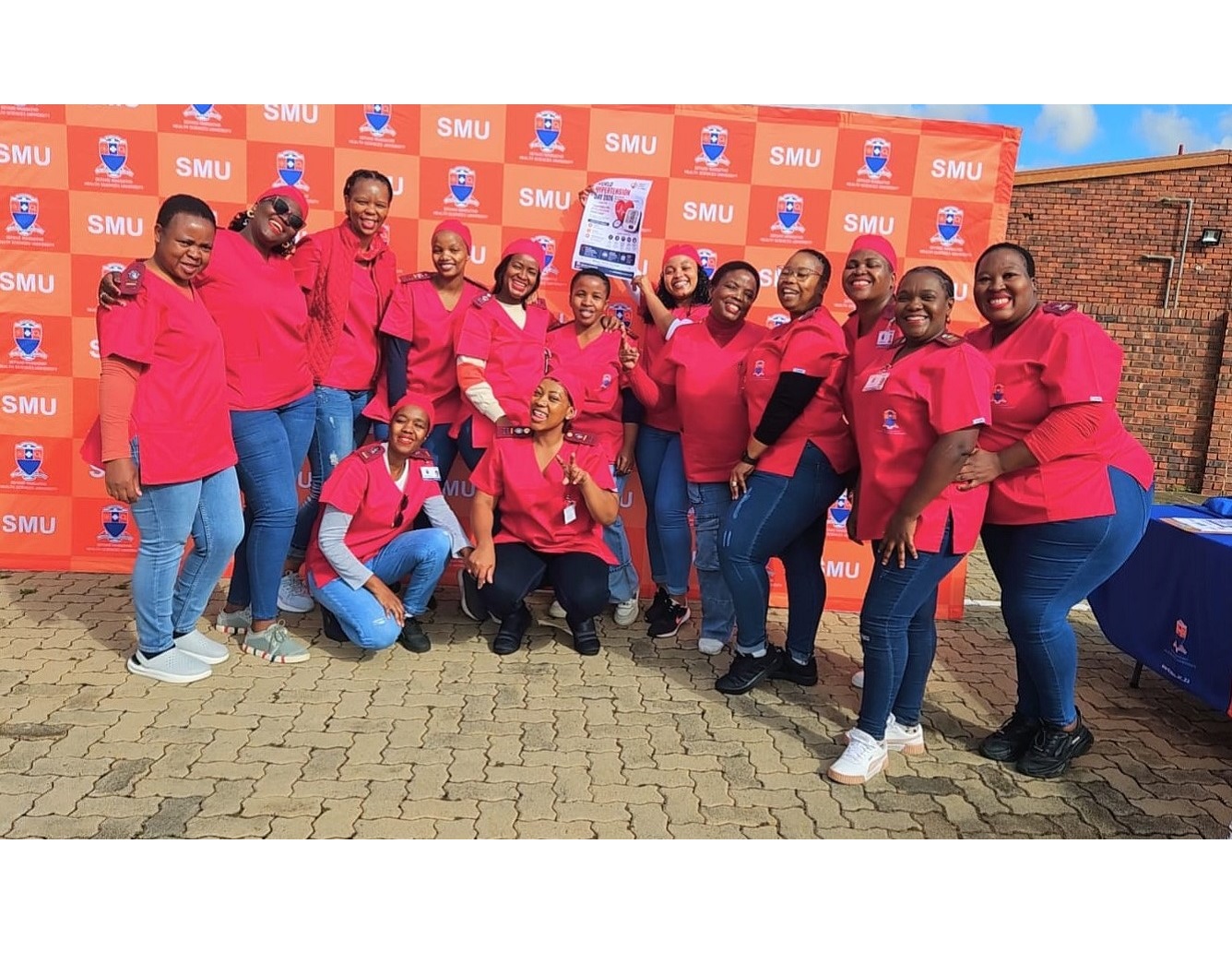
According to the university, the initiative was aimed at giving employees practical information about preventing, detecting and managing hypertension, while also giving postgraduate Occupational Health Nursing students an opportunity to apply what they had learnt in their studies.
A total of 17 Postgraduate Diploma in Occupational Health Nursing students, together with two lecturers and a clinical facilitator, were involved in the programme.
The students participated in different stages of the programme, including assessing the needs of the workplace, engaging with facility management, preparing health education material, conducting screenings under supervision and evaluating the intervention.
The health education covered the importance of knowing one’s blood-pressure numbers, reducing salt intake, maintaining a healthy diet, exercising, avoiding smoking and taking prescribed hypertension medication.
Participants were also informed about possible complications associated with uncontrolled blood pressure and the importance of regular screening.
SMU said the facility was selected as part of its wider community engagement work around the university. The focus was placed on employees at the facility because their health and wellbeing can also affect the quality and continuity of care provided to vulnerable residents.
For the nursing students, the programme provided an opportunity to work outside the traditional classroom and clinical environment.
The university said students were involved from the planning stage through to implementation and evaluation, allowing them to gain experience in health education, stakeholder engagement, project coordination and workplace health promotion.
SMU also said it intends to continue engaging with the facility on possible follow-up health-promotion and screening interventions.
The university is further exploring similar occupational health interventions at other organisations and communities. It said discussions are underway with relevant Department of Education district structures in the Ga-Rankuwa area for planned employee-focused interventions.
SMU’s message to members of the public is that people should not wait for symptoms before checking their blood pressure.
The university encouraged people to know their blood-pressure numbers and to maintain healthy lifestyles, including regular physical activity, reducing excessive salt intake, avoiding smoking and following prescribed treatment where necessary.
The programme therefore provided more than health information. It also allowed nursing students to experience how preventative healthcare can be planned and delivered directly in a workplace setting.