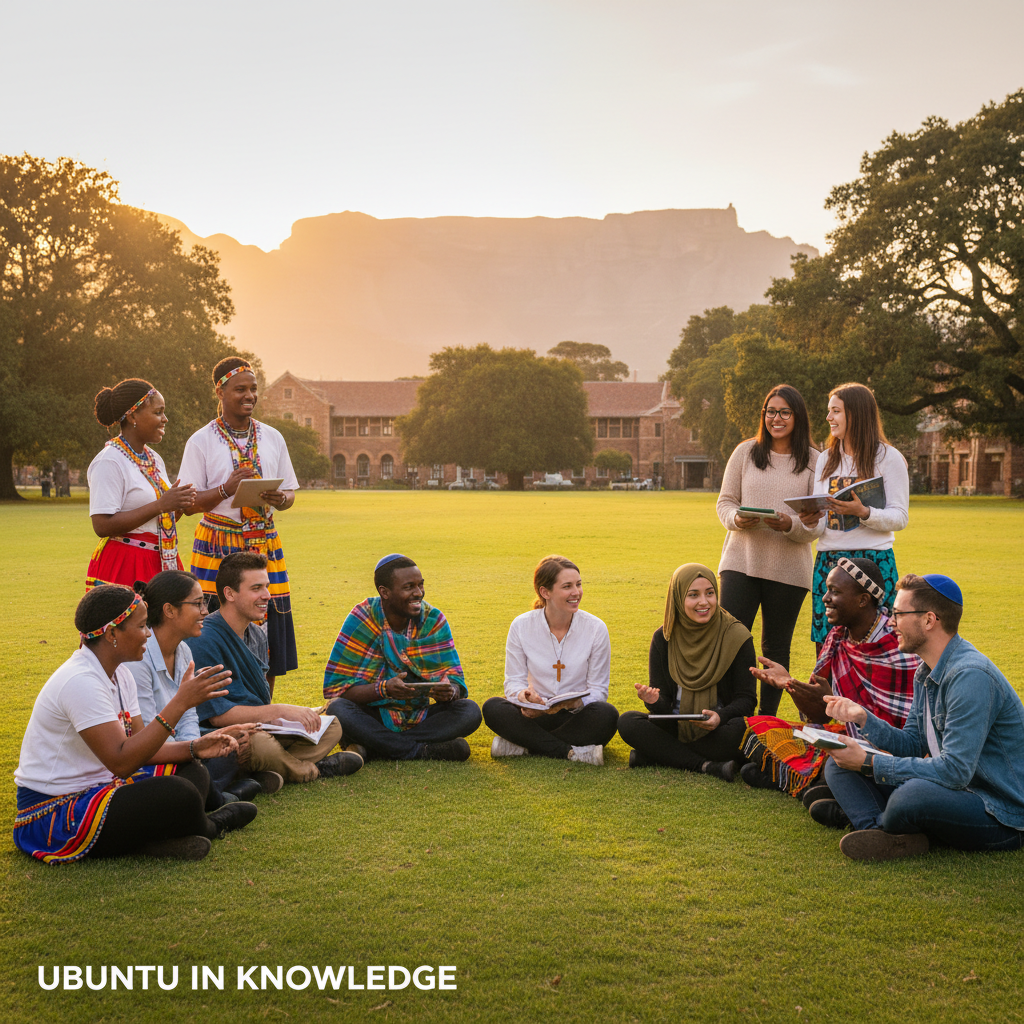
Universities must cultivate diverse and inclusive environments that support students’ spiritual lives. Students are not merely academic performers; they are social, emotional, cultural, and spiritual beings whose identities shape their learning and development. Institutions of higher learning, therefore, have a responsibility to promote spaces where holistic growth is nurtured and where students’ identities and religious expressions are affirmed rather than marginalised.
Holistic student development flourishes when all forms of spirituality are recognised, encouraged, and respected. Inclusive spiritual life enables students to explore meaning and purpose, strengthening their sense of self and belonging. In the African context, particularly, spirituality is deeply intertwined with culture, traditions, upbringing, history, and community life. To separate spirituality from these lived experiences is to overlook a vital dimension of students’ identities. Universities must affirm students as complete human beings, with spiritual lives integral to their academic journeys.
Creating inclusive campuses requires more than symbolic gestures. Universities must create environments where students feel recognised, valued, and respected, spaces that cultivate belonging and socio-psychological safety. Communities built on mutual solidarity, even amid difference, are necessary to vibrant student life. No student should experience hostility or exclusion because of religious or cultural practices. All identities and origins must be legitimised and respected.
Learning spaces are not neutral; they are diverse and often contested. Universities should therefore legitimise Eastern, African, Islamic, Christian, Indigenous, and other spiritual traditions as equally valid expressions of human experience. No single religious practice should dominate campus life. True diversity demands plurality and shared recognition.
Student development must also encourage critical and courageous conversations across spiritual and knowledge systems. Such engagement contributes to the decolonisation of student development theories and challenges dominant paradigms that privilege Western perspectives. Authentic inclusion moves beyond superficial claims of diversity and transformation. It resists cultural and spiritual domination while promoting inter- and intra-faith dialogue rooted in social justice and mutual respect.
Student life and development can become powerful sites of liberation and transformation by advancing theories and practices that question assumptions of spiritual or religious superiority. Practitioners in student affairs have an opportunity to rethink inherited secular frameworks and to embrace approaches that honour multiple ways of knowing and being.
Spiritual inclusivity is not a concession or an optional add-on; it is a democratic, transformative, and emancipatory commitment. It is intertwined with students’ communities, histories, and ancestral lineages. By embedding spiritual inclusivity into institutional culture, universities can become spaces of intellectual liberation, holistic development, self-healing, and genuine transformation.
About Dr Sefoko Ramošhaba