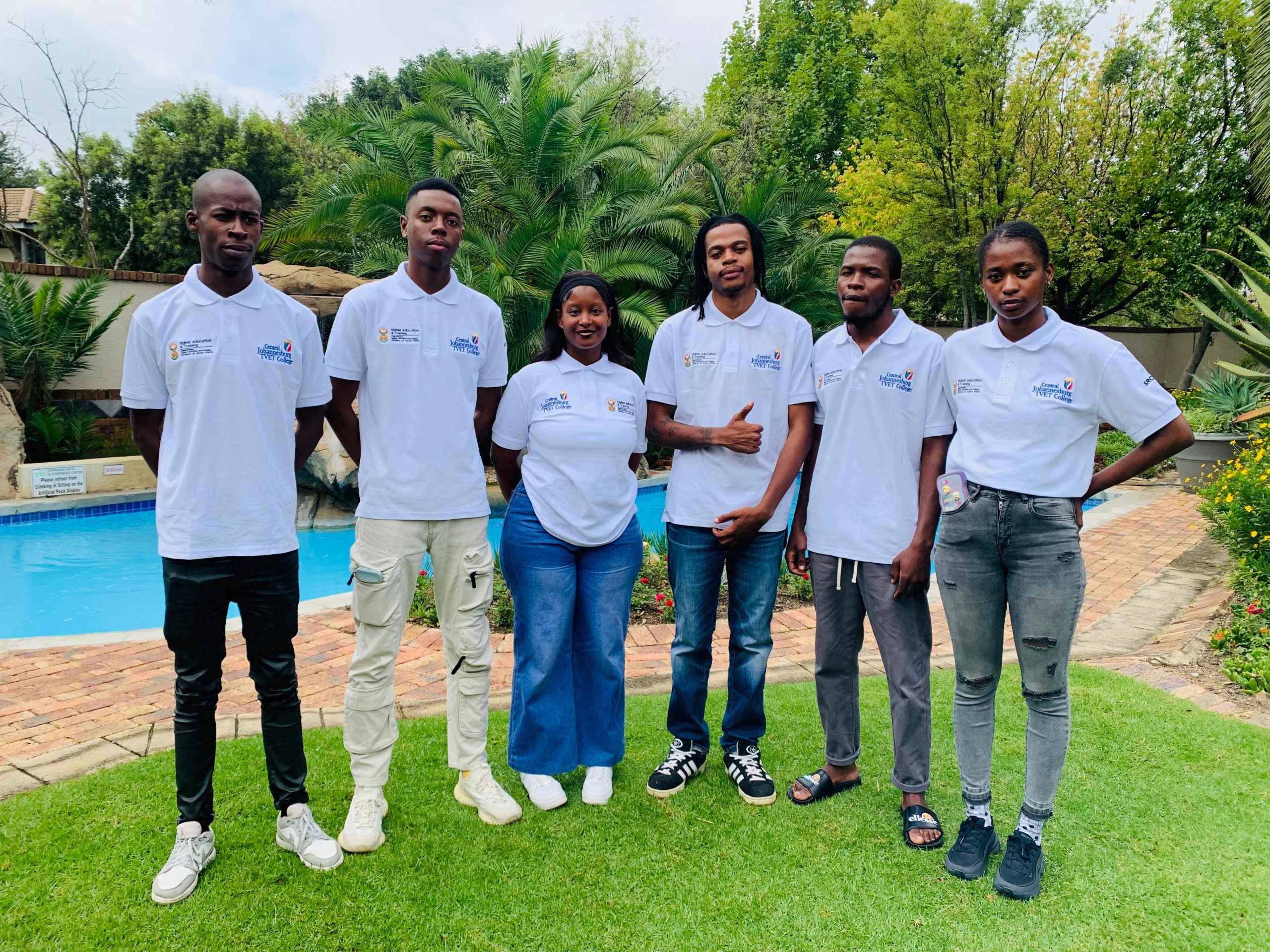
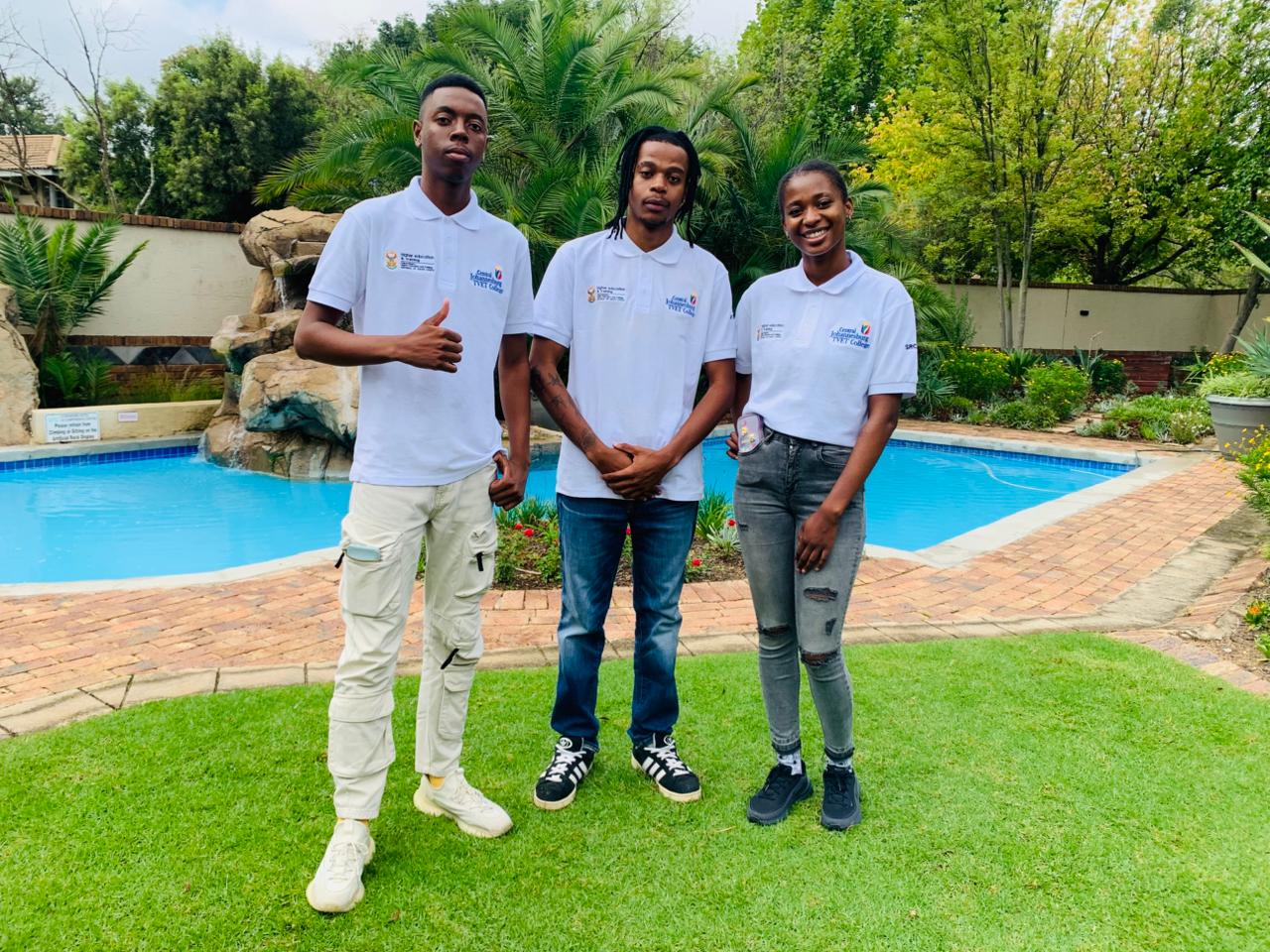
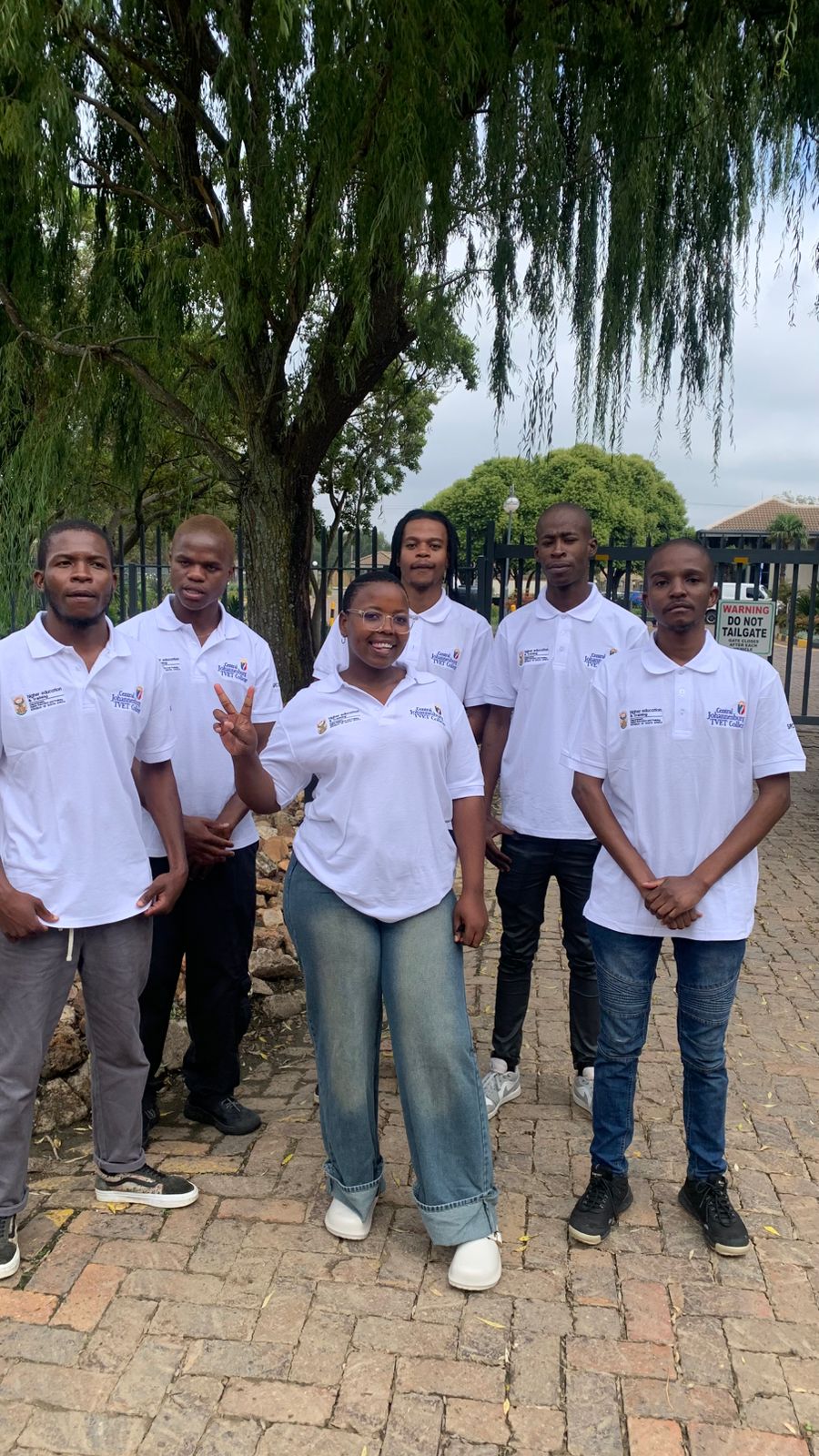
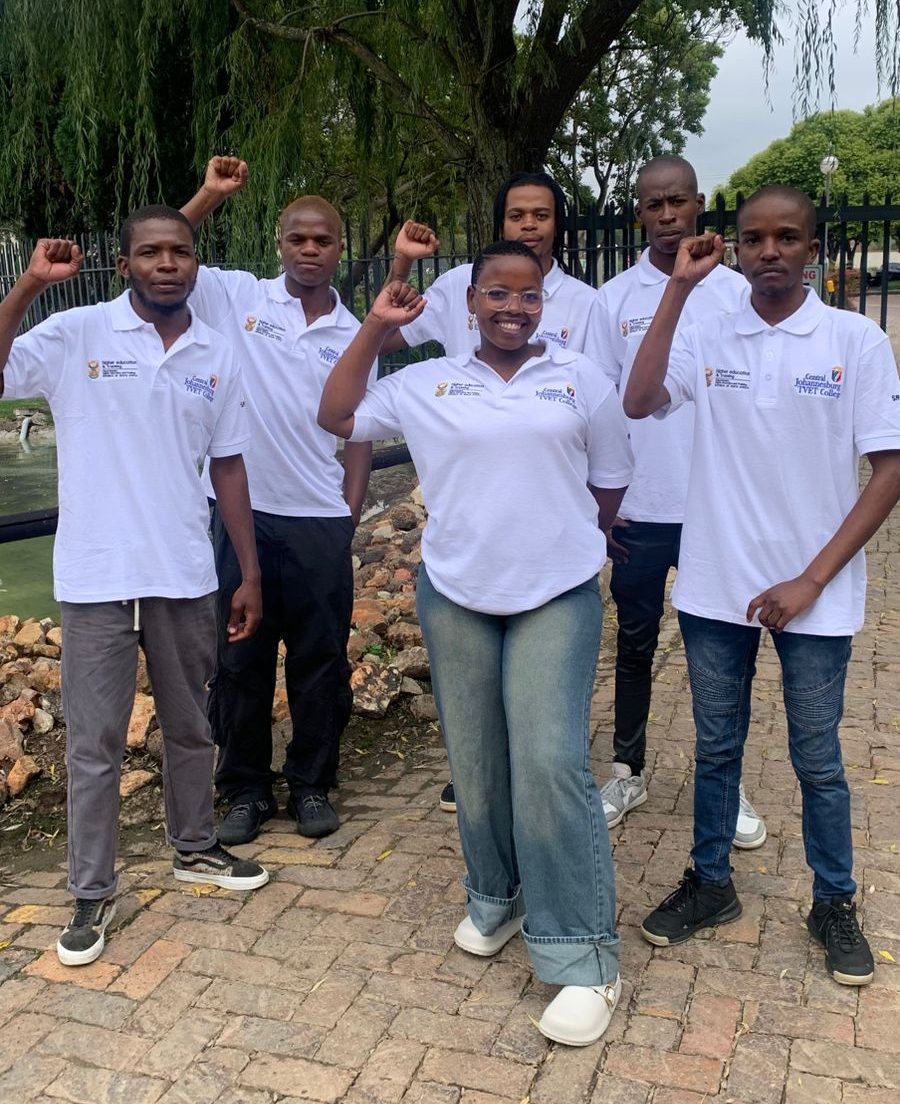
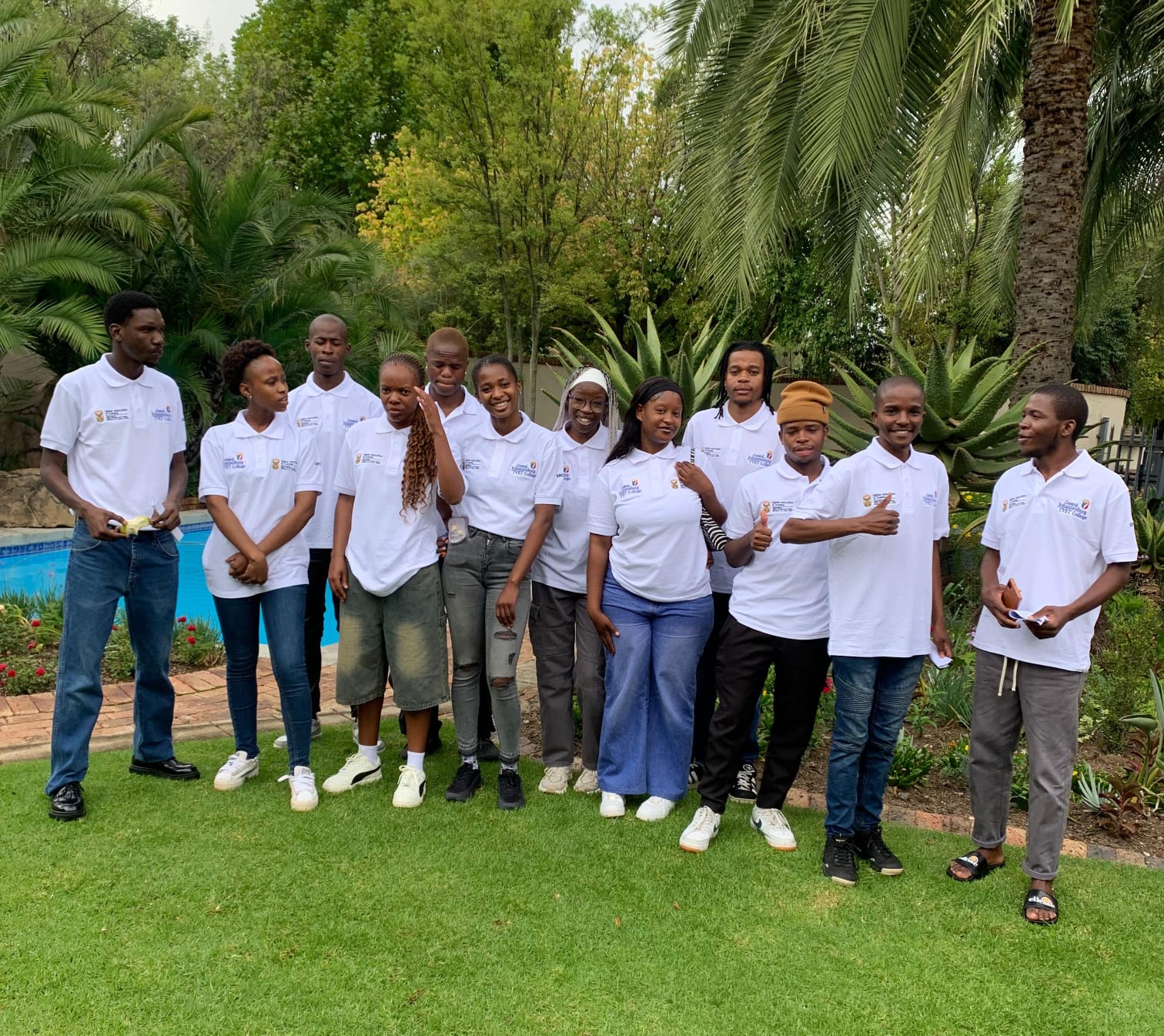
On a crisp autumn morning in Parktown on 1 April 2026, the Central Johannesburg College (CJC) did more than inaugurate a new Student Representative Council. It renewed a compact between leadership and the student body, a reminder that democracy on campus is often where national leadership quietly begins.
As applause filled the hall for newly elected SRC President Thembalenkosi Sihlangu and his 2026/27 team, the ceremony carried a deeper significance. It was not simply about the assumption of office. It was about trust and the weight of expectations that come with it.
Student leadership, at its best, is not about occupying a title. It is about service. It demands integrity, discipline and the courage to represent the diverse aspirations and frustrations of a student community navigating both academic pressures and the uncertainties of a changing economy.
The students of CJC have placed their confidence in this new leadership collective. That confidence is rooted in a hope for improved learning conditions, stronger student support systems and a campus culture where every learner feels seen and empowered to succeed. Trust of that nature is neither symbolic nor casual; it is earned, and it must be protected.
The SRC occupies a unique and delicate space within any institution. It is the bridge between students and management. When that bridge is strong, communication flows more easily, tensions are addressed before they escalate, and collaborative solutions become possible. When it weakens, misunderstandings multiply, and opportunities for growth are lost.
For President Sihlangu and his team, the task ahead is therefore twofold. They must be advocates, raising legitimate concerns with clarity and conviction. But they must also be architects of solutions, championing innovation and forging partnerships that strengthen the college as a whole.
Colleges like CJC are not merely sites of instruction. They are engines of social mobility and skills development, critical to South Africa’s broader economic and social progress. In an era where youth unemployment and inequality remain pressing challenges, technical and vocational institutions play a decisive role in preparing young people for meaningful participation in the economy.
The leadership demonstrated within student structures becomes preparation for responsibilities beyond campus gates. Today’s SRC member may well be tomorrow’s entrepreneur, policymaker or community leader. The habits formed in student governance, consultation, accountability, negotiation and strategic thinking are the foundations of democratic citizenship.
Three pillars stand out as essential for this new term. The first is representation with integrity. Effective leadership begins with listening, not only to the loudest voices, but to students across campuses and backgrounds whose experiences may differ. Representation without consultation risks becoming symbolic rather than substantive.
The second is a partnership with the institution. Progress is rarely achieved through confrontation alone. Sustainable change requires engagement grounded in mutual respect and shared purpose. When student leaders and management recognise that their ultimate goal is student success, the institution becomes stronger.
The third is legacy. Each SRC term must ask itself what it will leave behind. Improved governance processes, strengthened student programmes, enhanced employability initiatives; these are the markers of leadership that extend beyond rhetoric.
As the new SRC steps into office, they do so at a time when students are seeking both inspiration and practical leadership. Visibility and accountability will matter as much as policy positions. Leadership must be demonstrated not only in speeches, but in consistent action.
The ceremony also served as a reminder of continuity. Outgoing SRC leaders were acknowledged for their contribution, underscoring the vibrancy of student democracy within the college. Leadership transitions of this nature reflect institutions that value participation and renewal.
For the broader student body, the message is equally clear. Effective representation requires engagement. Constructive participation, support for initiatives and open dialogue are what transform an elected council into a functioning democratic structure.
Student leadership has long been the training ground for South Africa’s future changemakers. Many who go on to shape industries, communities and public policy first discover their voice in campus forums and council chambers.
If the spirit of the inauguration is sustained beyond the ceremony, the 2026/27 SRC term at CJC may well be remembered not merely as a change of office bearers, but as a chapter defined by unity, accountability and meaningful impact.
And in a country where the energy and ideas of young people remain its greatest asset, that is a future worth building.
Segomotso Phetlhu is the Managing Director of Pathwayz Development, a career- and entrepreneurship‑driven training and advisory firm that integrates academic development with economic opportunity. He can be contacted for professional enquiries at:
Mobile: +27 63 524 5097 Email: info@pathwayzdevelopment.com
Website: https://pathwayz-development.odoo.com/